May 7, 2026
Choosing the right surface for a kitchen or bathroom represents one of the most significant decisions a homeowner can make during a renovation. The selection process involves balancing aesthetic appeal, long-term durability, and personal lifestyle needs. Every material carries a unique personality, transforming the atmosphere of a room from clinical and modern to warm and rustic. As the focal point of culinary preparation and social gathering, the choice of a countertop dictates the visual flow of the entire space. Exploring the vast array of available options allows individuals to find a perfect match that resonates with their design vision while providing a functional foundation for daily activities.
Modern design trends emphasize the importance of texture and light reflection, making the material choice even more critical. Whether someone desires the cold, smooth touch of polished stone or the organic, inviting feel of natural timber, the market offers a solution for every preference. This guide explores the most beloved materials currently defining interior design, helping you navigate the complexities of mineral composition, synthetic innovation, and timeless craftsmanship. By understanding the distinct characteristics of each surface, you can ensure that your investment remains beautiful and resilient for many years to come.
Embracing the Timeless Elegance of Granite
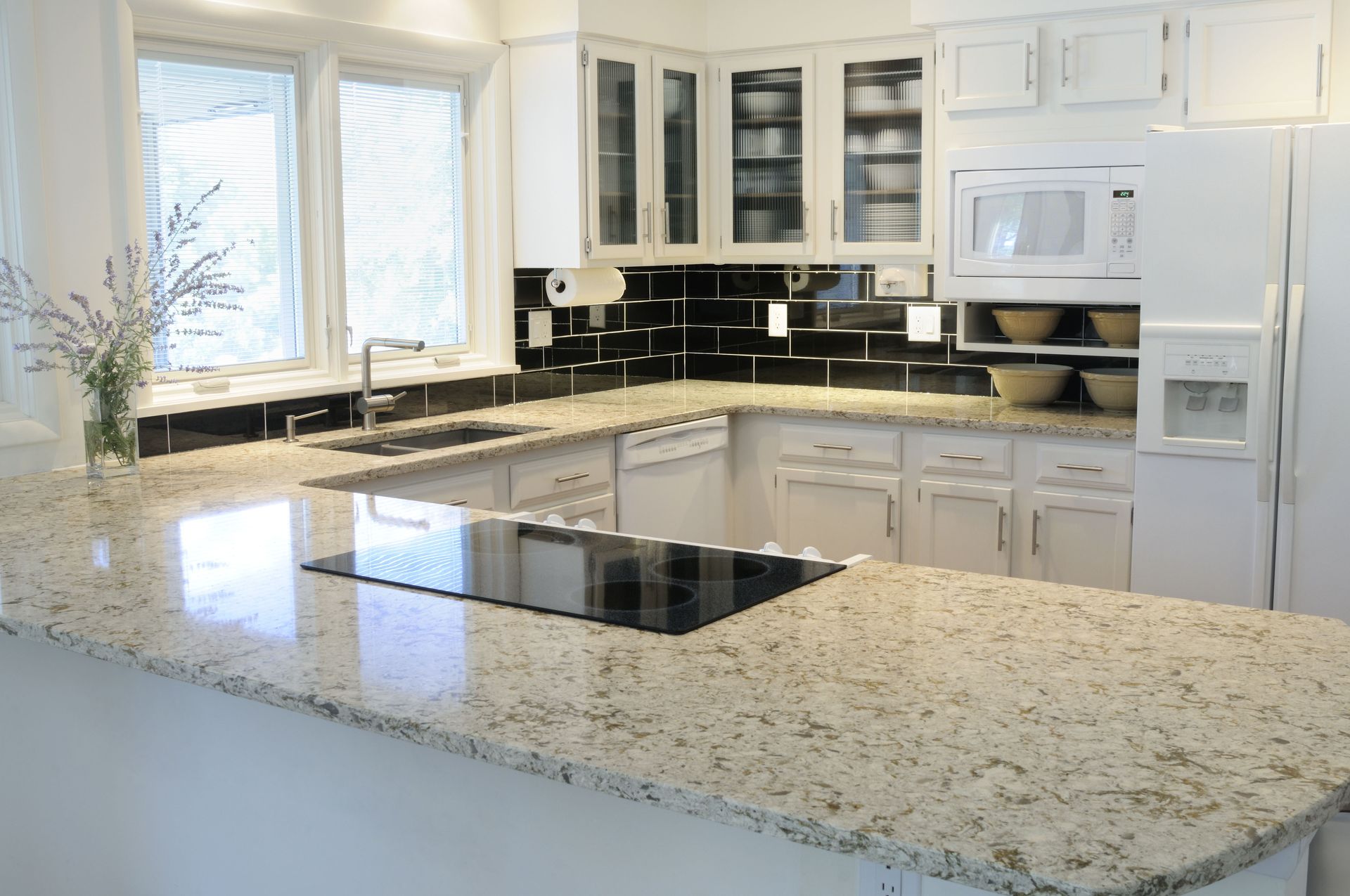
Granite remains a premier choice for those seeking a blend of natural beauty and rugged performance. As a volcanic rock formed deep within the earth, each slab possesses a completely unique pattern of veining and speckling. No two installations are identical, which appeals greatly to homeowners who value exclusivity and organic artistry. This material provides incredible resistance to heat, making it an ideal companion for busy kitchens where hot pots and pans frequently move from the stove to the workspace. Because it is a natural stone, it requires periodic sealing to maintain its resistance to moisture and staining, but many find this minor maintenance a small price to pay for such enduring grandeur.
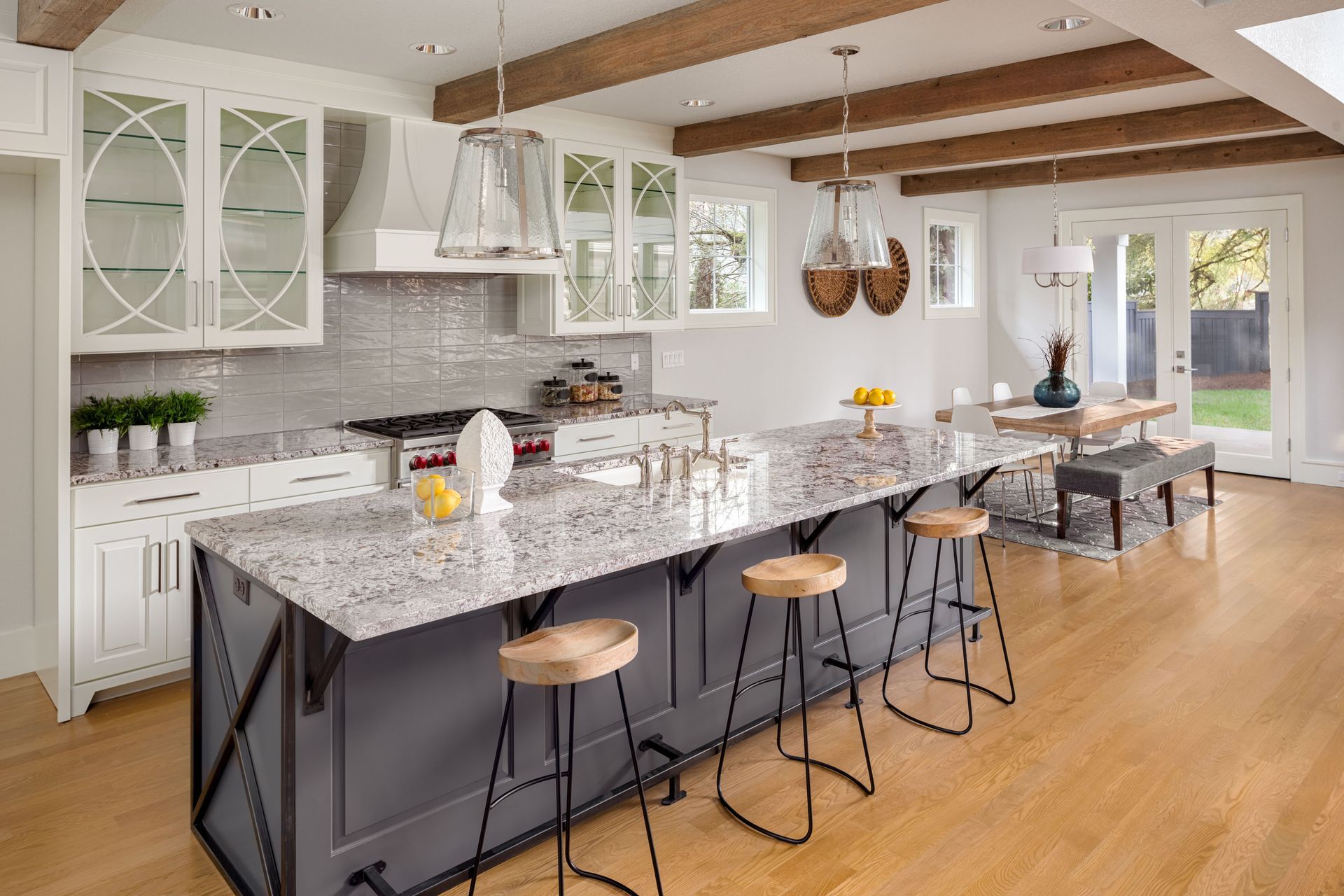
The visual versatility of granite allows it to anchor various interior styles. Deep, dark slabs with golden flecks complement traditional cabinetry and warm lighting, while lighter, grey-toned varieties fit seamlessly into contemporary or farmhouse designs. The depth and dimension found in a granite countertop create a sense of luxury that synthetic materials often struggle to replicate. Furthermore, its hardness ensures that it resists scratches from knives and heavy kitchen equipment, preserving the polished or honed finish through decades of constant use.
Appreciating the Refined Beauty of Marble
Marble has long been synonymous with luxury, high-end fashion, and classical architecture. Its soft, flowing veins and luminous quality provide a level of sophistication that few other materials can match. For many, the iconic white and grey patterns of varieties like Carrara or Calacatta represent the pinnacle of kitchen design. Marble stays naturally cool to the touch, which makes it a favorite surface for bakers who work with delicate pastries and doughs. While it is softer and more porous than granite, many homeowners embrace the "patina" that marble develops over time, viewing the subtle signs of use as a record of memories made in the heart of the home.
Integrating marble into a design requires a commitment to care, as acidic substances like lemon juice or vinegar can etch the surface if not wiped away immediately. However, for those who prioritize visual impact and a bright, airy aesthetic, these considerations are secondary. In smaller bathrooms or as a featured island in a large kitchen, marble acts as a stunning centerpiece that draws the eye and elevates the surrounding decor. The way light interacts with the crystalline structure of the stone gives the room a glow that feels both clean and opulent.
Selecting the Versatile Performance of Quartz
Quartz has rapidly ascended to the top of the popularity charts due to its incredible durability and low-maintenance nature. Unlike natural stones, quartz is an engineered product composed of crushed mineral fragments bound together with resin. This process results in a non-porous surface that never requires sealing and stands up remarkably well against stains, bacteria, and impact. For the modern homeowner who leads a fast-paced life, the ease of cleaning a quartz countertop is a major selling point. A simple wipe with soap and water is usually all that is needed to keep the surface looking brand new.
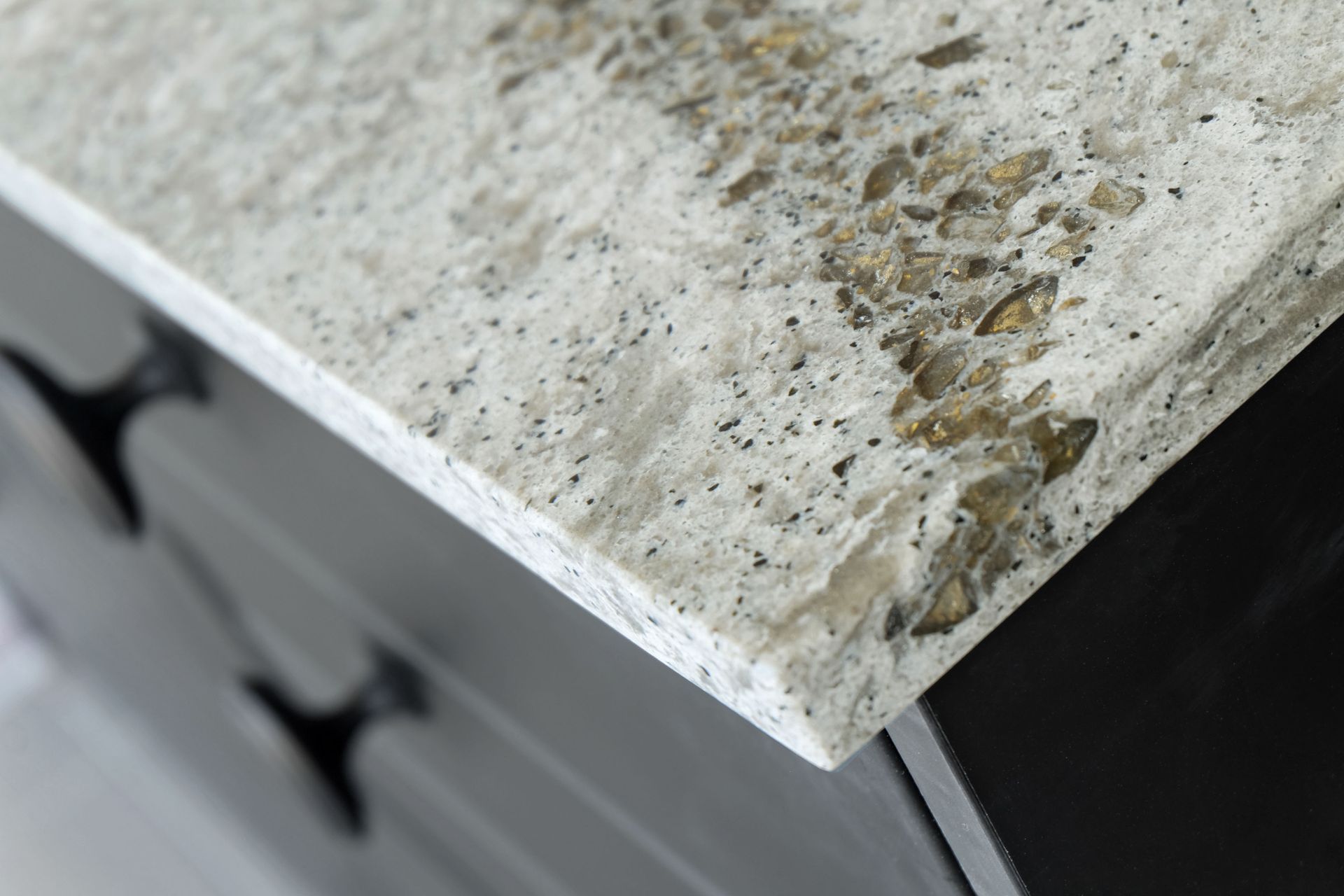
One of the most significant advantages of engineered stone is the consistency of its appearance. While natural stone can have unpredictable "dead spots" or sudden shifts in color, quartz slabs are manufactured to be uniform. This makes it much easier to plan seams and ensure a cohesive look throughout a large kitchen installation. According to Houzz, over 70% of homeowners consider eco-friendly materials when selecting countertops. Quartz manufacturers have responded to this demand by incorporating recycled glass and mineral content into their products, while also streamlining production to reduce waste.
Discovering the Industrial Charm of Concrete
Concrete is no longer reserved for sidewalks and structural foundations; it has become a darling of the interior design world, particularly for those who love industrial or minimalist aesthetics. A concrete surface offers a raw, tactile quality that feels grounded and substantial. Because it is cast, it can be customized into almost any shape, including integrated sinks and unique edge profiles. It can also be tinted with various pigments to achieve colors ranging from slate grey to warm terracotta, or even embedded with stones and glass for a mosaic effect.
While concrete is exceptionally strong, it is also prone to cracking if not installed by a skilled professional who understands how to reinforce the material. Like natural stone, it must be sealed to protect against stains and moisture.
Evaluating the Warmth of Butcher Block
Wood surfaces, often referred to as butcher block, bring an organic warmth and softness to a room that stone simply cannot provide. Whether crafted from maple, oak, walnut, or cherry, a wooden workspace makes a kitchen feel cozy and lived-in. It is the only material that can actually serve as a cutting surface, though many homeowners prefer to preserve its beauty by using separate boards. The acoustic properties of wood are also a benefit, as it absorbs sound rather than reflecting it, creating a quieter environment during meal preparation.
Considering the Sleek Utility of Stainless Steel
Stainless steel has long been the standard for professional chef kitchens, and it is increasingly finding a home in residential spaces. Its primary appeal lies in its hygiene and heat resistance. Being completely non-porous, it does not harbor bacteria or mold, and it can be sanitized with ease. You can take a hot tray directly from the oven and set it down without fear of damaging the surface. This level of utility is unmatched, making a stainless steel countertop a dream for those who take their cooking seriously.
Ultimately, the journey to find the perfect surface is about understanding how you live and what moves you aesthetically. Each material discussed offers a different set of benefits, from the rugged permanence of granite to the innovative resilience of quartz. By considering factors like maintenance, durability, and how a material interacts with light and color, you can make a choice that enhances your daily life. Your home deserves a foundation that is as beautiful as it is functional, reflecting your unique style in every detail. At California Granite & Flooring, we are dedicated to helping you navigate these choices and providing the expert craftsmanship needed to bring your vision to life.